Don't move back to the Writers'
The reported plan of the new BJP government in West Bengal to shift the state secretariat back to the Writers’ Building in BBD Bagh, from Nabanna, may be presented as a pragmatic step and a return to heritage. But it is actually a failure of imagination.
What the building was meant for
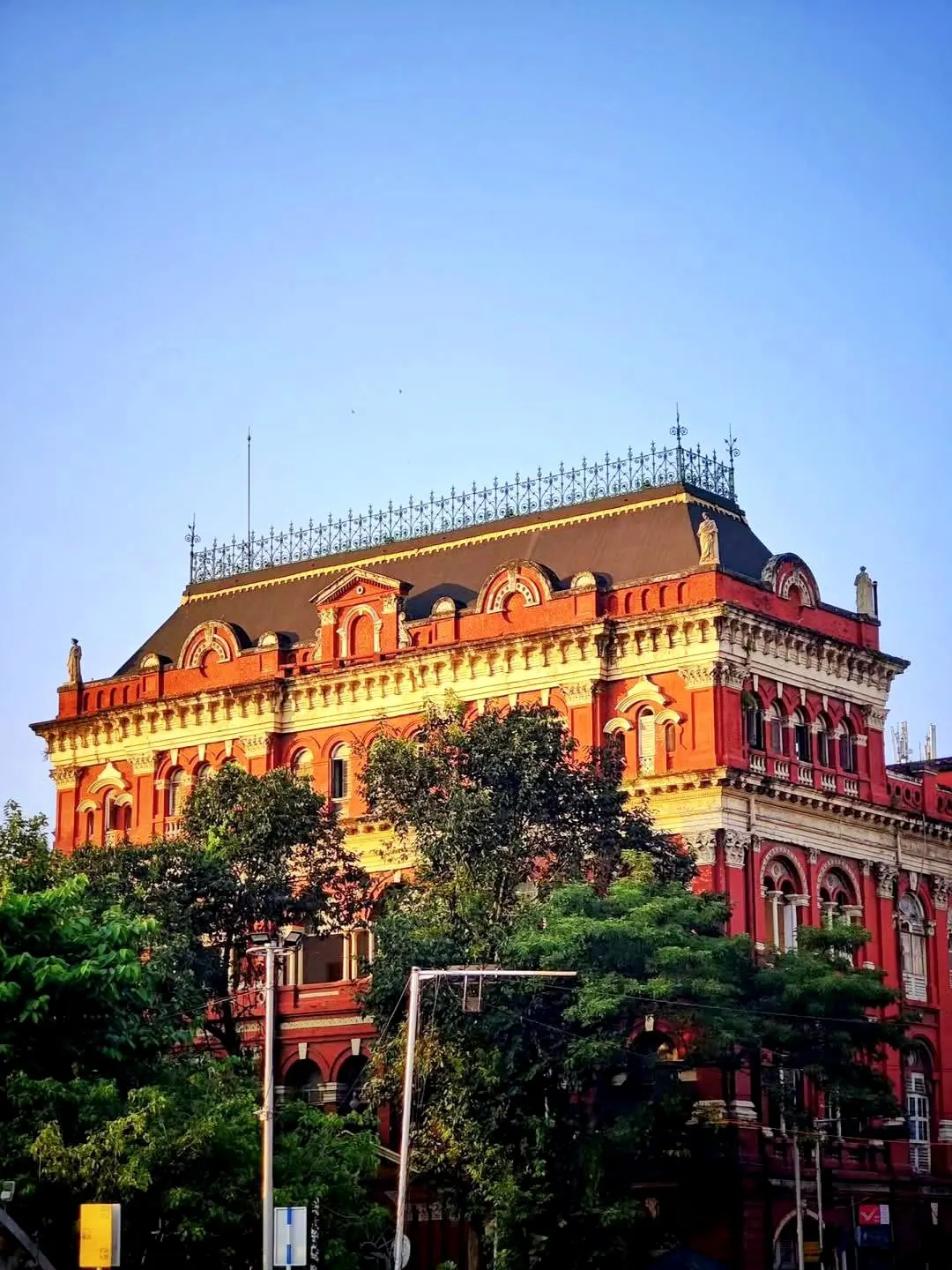
The Writers’ Building was built in 1777 by Thomas Lyon, on behalf of the British East India Company. It was Calcutta’s first three-storeyed building — a 150-metre Greco-Roman structure designed to project authority.
It stood as a grand symbol of who held power, who dispensed it, and who was expected to receive it in silence. The building sits at the heart of what was then called the White Town, deliberately separated from the Black Town where the native population lived. It was not built for Indians. It was built to administer them.
More than just a secretariat
On December 8, 1930, three young revolutionaries — Benoy Basu, Badal Gupta, and Dinesh Gupta — walked into this building and shot dead Colonel N.S. Simpson, the Inspector General of Prisons, notorious for his brutality toward political prisoners. Badal took cyanide on the spot. Benoy died in hospital five days later. Dinesh was hanged in 1931.
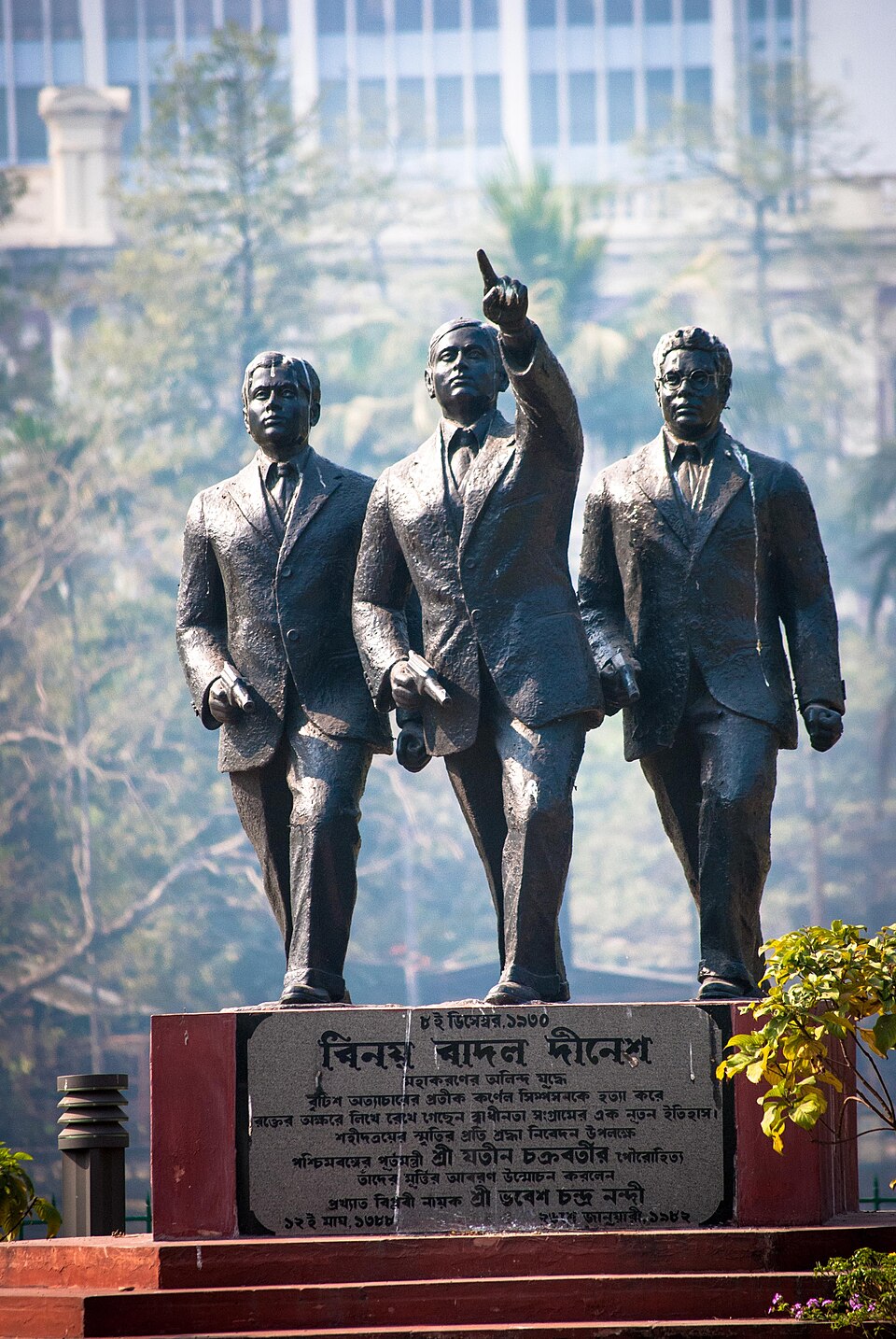
The statues of Benoy, Badal and Dinesh proudly stand in front of the building to this day. The square is named after them. This place has real, consequential history. In fact, the Writers’ Building is the most important building in BBD Bagh. It is the kind of place that should be a museum, or a public cultural space. A place where Calcuttans can actually walk in and experience their own history. Turning it back into a working secretariat, with thousands of employees, filing cabinets, and departmental paperwork, is the least imaginative thing you can do with it.
Weight of history
This history did not end with independence: the Writers’ Building has been the seat of every government that presided over West Bengal’s long, steady decline. The Left Front governed from it for 34 years. The Congress before them. The Trinamool Congress after (albeit briefly). Whatever their individual failures or achievements, the aggregate result is stark: capital flight, industrial decay, and a metropolis in decline. All of this happened under administrations that governed from this very building. If the new government genuinely wants to signal a break from the past, the symbolism matters. Coming in and immediately moving into the same building that every previous government occupied is not a signal of change. It is a signal of continuity with the very past you are trying to distinguish yourself from.
Colonial Mindset
The BJP has made much of moving away from the colonial hangover in Indian governance. The Central Vista project was explicitly framed as a break from Lutyens’ Delhi, from the North and South Blocks that the British built to administer their empire. The logic, as articulated by the government, was that independent India should govern itself from spaces it built for itself, not from spaces built to serve colonial masters.
The Writers’ Building was built to serve colonial masters. If the BJP truly believes in Viksit Bharat — a developed India free of colonial baggage — it should start its new innings in Kolkata by not returning to a building commissioned by the British East India Company.
A new Secretariat for New Bengal
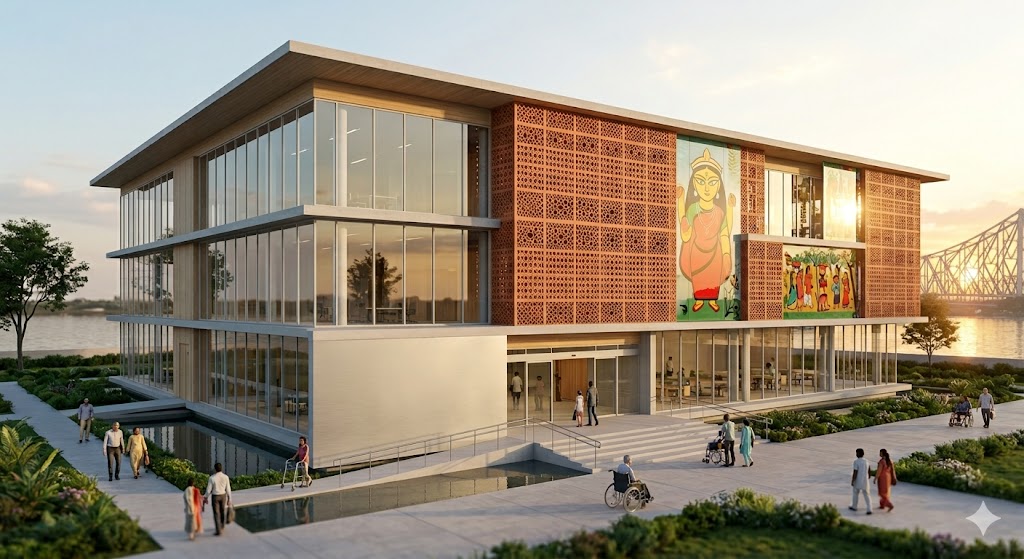
The new government should operate from a new secretariat that represents the wishes and aspirations of the 21st Century Bengali — a space that reflects what Bengal should become, not what it has been.
And free the Writers’ Building. Convert it into what it should be: a public space for Calcuttans to walk into and experience. Return the building to BBD Bagh, not the bureaucracy.